The Difference Between Pressure Washing and Soft Washing
A clear look at how these two cleaning methods work and why using the right one matters for your home.
Many homeowners use the terms pressure washing and soft washing interchangeably, but they are actually two different cleaning methods designed for different surfaces. Understanding the difference can help protect your property and ensure the right approach is used for each part of your home.
At Hoosier Wash Pros, every surface is evaluated before a job begins because using the wrong cleaning method can lead to poor results or unnecessary damage. Choosing the proper technique is one of the most important parts of professional exterior cleaning.
More pressure does not always mean better cleaning. The right method depends on the surface, the buildup, and the safest way to remove it.
What Is Pressure Washing?
Pressure washing uses high-pressure water to remove dirt, grime, and surface buildup from durable materials. This method is best suited for harder surfaces that can handle stronger pressure without being damaged.
Common surfaces that are often cleaned with pressure washing include:
- Concrete driveways and sidewalks
- Brick and stone surfaces
- Patios and walkways
- Garage floors
- Some commercial surfaces
When used correctly, pressure washing can quickly improve the appearance of heavily soiled hard surfaces and remove stubborn buildup.
What Is Soft Washing?
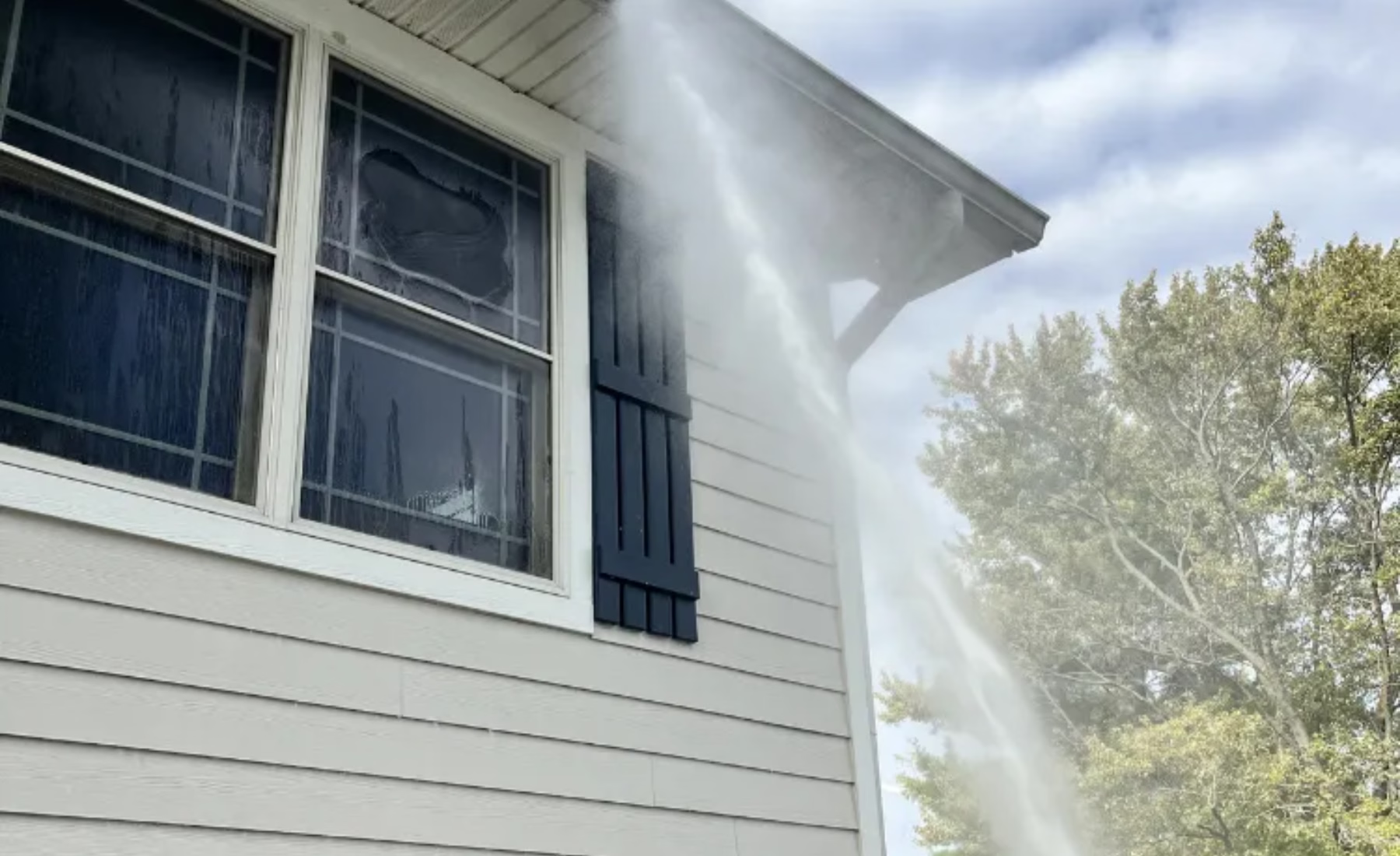
Soft washing is a low-pressure cleaning method that uses specialized cleaning solutions to break down algae, mold, mildew, and other organic growth. Instead of relying on force, the cleaning solution does the work and the surface is then gently rinsed.
Soft washing is commonly used on more delicate materials, including:
- Vinyl siding
- Stucco and painted surfaces
- Roof shingles
- Wood and composite decks
- Fences and exterior trim
This method is designed to clean surfaces thoroughly without the risk that high-pressure water can create on sensitive areas of a property.
Why Using the Right Method Matters
Using too much pressure on sensitive surfaces can lead to cracked siding, chipped paint, damaged wood, and even water intrusion. On the other hand, using low pressure on heavily stained concrete may not deliver the level of cleaning needed.
Professional exterior cleaning companies choose the right method based on:
- Surface type
- Level of buildup
- Condition of the material
- Safety considerations
- The best result for the property
The best exterior cleaning results come from using the correct combination of pressure, solution, and technique for each specific surface.
Common Misconceptions About Exterior Cleaning
One of the most common misconceptions is that higher pressure always means better cleaning. In reality, proper cleaning depends on using the right method for the material being cleaned.
Another misconception is that exterior cleaning is only about appearance. Routine cleaning also helps prevent long-term damage caused by algae, mold, moisture, and surface buildup.
When to Hire a Professional
Professional exterior cleaning is often the best choice when:
- Surfaces are heavily stained or covered in algae
- Your property has multiple materials that require different cleaning methods
- Safety risks are involved, such as ladders or elevated areas
- You want reliable and consistent results without guessing which method to use
Professional equipment and proper techniques help ensure the job is completed safely, thoroughly, and without unnecessary risk to the property.
Final Thoughts
Understanding the difference between pressure washing and soft washing helps homeowners make better decisions about maintaining their property. Using the correct method protects surfaces, improves appearance, and helps prevent unnecessary repairs. Hoosier Wash Pros focuses on choosing the right approach for each job so your home gets cleaned the right way.